
Orthodontic Relapse
Orthodontic Relapse
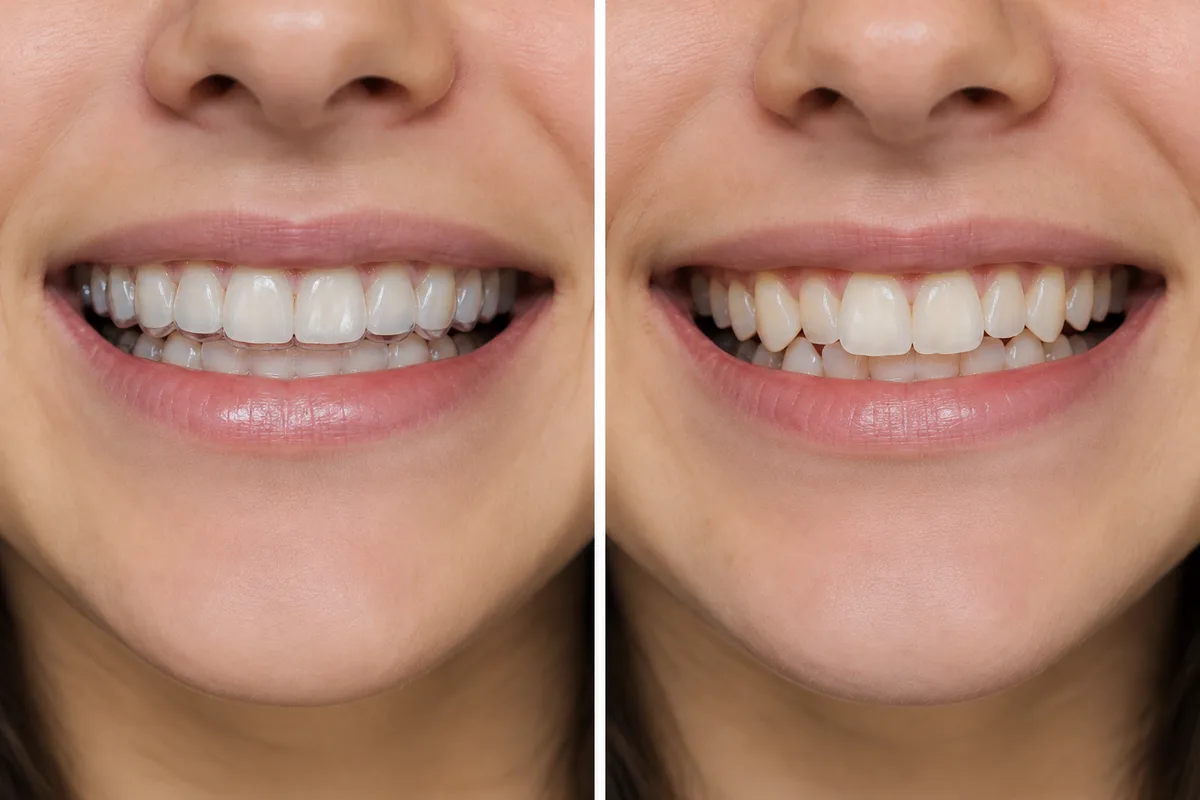
Orthodontic relapse happens when teeth gradually shift out of their corrected position after braces or aligner treatment ends. It is a natural result of the mouth's ongoing changes over time, and it is one of the reasons retention plays such an important role after active treatment. Dr. Aesha Chaudhry, an orthodontist and board-certified pediatric dentist, evaluates shifted teeth and discusses options for bringing the smile back into alignment.
Why Teeth Shift Back
- Inconsistent Retainer Wear — Teeth can drift when a retainer isn't worn as recommended after treatment.
- Natural Growth and Aging — Jaw and facial changes continue throughout life, which can gradually move teeth.
- Lost or Worn Appliances — A retainer that no longer fits or has been damaged can't hold teeth in place.
Addressing Relapse
- Digital Intraoral Scanning — A digital scan captures the current position of the teeth to plan next steps.
- Orthodontic Retainers — A new or updated retainer can help stabilize teeth once they are repositioned.
- Orthodontic Relapse or Invisalign Clear Aligners — Clear aligners offer a discreet way to correct shifted teeth for patients who prefer to avoid brackets and wires.
- Champagne-Colored Braces — For more involved relapse, braces with a softer, gold-toned appearance can guide teeth back into place.