
Invisalign and Angel Aligners: Looking Beyond the Brand Name
When you start looking into clear aligners, brand names can quickly take center stage. You may recognize Invisalign or come across Angel Aligners and wonder which one is better. That is a reasonable question, but the name on the box is only one part of treatment. Your teeth, bite, treatment plan, and daily habits all matter.
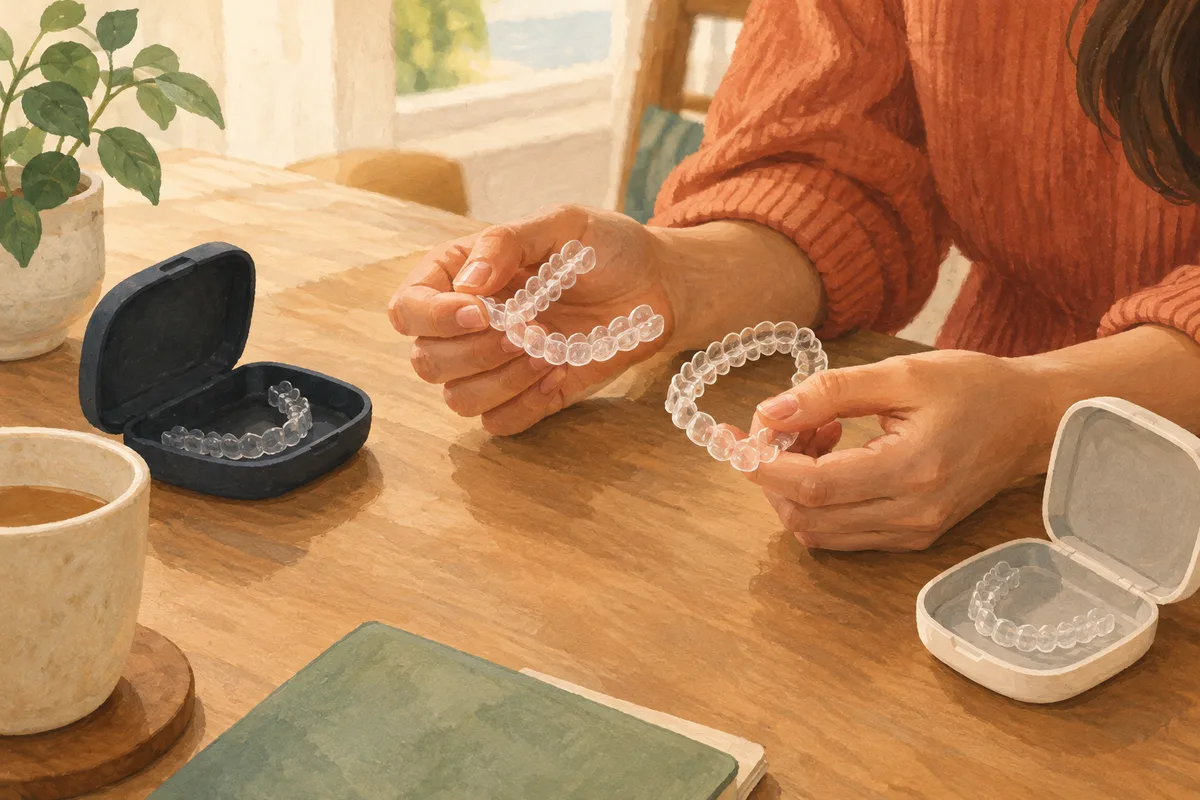
Clear aligners are removable trays designed to move teeth in stages. Both Invisalign and Angel Aligners are options offered by Crystal Clear Orthodontics & Pediatric Dentistry in Wilmington, Delaware. Rather than choosing by name recognition alone, it helps to understand how a clinician evaluates your needs, plans tooth movement, and checks your progress.
Start with the treatment plan, not the logo
An aligner brand provides a treatment system, but it does not replace a clinician’s judgment. Planning begins with understanding the position of your teeth, how your upper and lower teeth meet, and the health of your mouth. Straight-looking front teeth are not the whole picture. The bite and the way teeth function together also deserve attention.
A digital preview can help explain proposed tooth movements, but it is a plan rather than a promise. Teeth may not move exactly as a computer model predicts. A useful conversation focuses on the goals of treatment, the steps involved, and any limits. Ask why a particular aligner system is being recommended for your needs, rather than assuming the better-known brand must be the better fit.
Understand whether aligners suit your needs
Clear aligners can address a range of tooth-position concerns, but they are not the right choice for every situation. The type of movement needed, bite concerns, oral health, and stage of dental development can affect suitability. For children and teens, changing teeth and jaw growth may also influence treatment decisions. An examination is needed to understand those factors.
Being a good candidate also involves more than your teeth. Because aligners are removable, treatment depends on following the prescribed wear schedule. Someone who frequently forgets to put trays back in may find a removable approach difficult. Braces may be worth discussing as another option. The goal is not to choose the most popular appliance, but to find an approach that fits both the clinical needs and the person using it.
Look at follow-up and adjustments
Receiving a set of trays is not the end of treatment planning. Teeth and gums need attention as treatment progresses, and the clinician needs to assess whether movement is following the plan. Follow-up provides a chance to review tray fit, discuss difficulties, and identify concerns that may affect the next steps. Those checks matter regardless of which brand is being used.
Sometimes a plan needs adjustment, or additional aligners may be considered. That does not automatically mean a brand has failed; it reflects the difference between planned movement and a person’s response to treatment. Before starting, ask how progress will be assessed and what could lead to a change in the plan. If a tray stops fitting or you have a personal concern during treatment, call your treating office for guidance rather than changing the schedule yourself.
Consider the everyday commitment
Aligners can blend into daily life, but they still require consistent care. Patients need to follow instructions for wear, removal, cleaning, and storage. Meals, snacks, school, work, and travel can all affect that routine. Ask what daily use would involve before deciding. Small tooth-colored attachments or other treatment aids may also be part of a plan, so clear trays do not always mean trays alone.
Think beyond the final aligner, too. Retainers are generally part of maintaining tooth positions after orthodontic treatment, and their use involves an ongoing commitment. A thoughtful comparison of Invisalign and Angel Aligners should leave you understanding the proposed treatment, its limits, the follow-up involved, and your responsibilities. Brand recognition can be a starting point, but it should not be the deciding factor.
Questions about your own care? The team at Crystal Clear Orthodontics & Pediatric Dentistry is happy to help — call us at (302) 412-9646 or request an appointment.
This content is for general information only and isn't dental or medical advice. Talk with your dentist or orthodontist about your own situation. If you have a medical emergency, call 911.